


We live in an age when search engine optimization (SEO) is like a lifeboat in an online ocean. Therefore, SEO plays a vital role in a cutthroat industry like ecommerce. When you partner up with an ecommerce SEO service, there are several benefits, including increasing user experience, search engine ranks, and boosting conversions. Understanding it is something worthwhile for every online business.
But let’s be honest. Not everyone has the know-how or time to become an expert in this field overnight. Fear not. That’s where an ecommerce content writing service simplifies your life and leads the way to your success.
In this article:
Understanding Ecommerce SEO
Building a solid SEO base is essential for putting your online store on the road to success. Staying on top of technical issues through continuous site audits is paramount. You want to ensure you create authentic content, explore backlink opportunities, and focus on new keywords that reflect your brand identity.
Traditional SEO and ecommerce SEO are like peas in a pod, working together seamlessly to achieve digital success. Traditional SEO is more about your site’s visibility, increasing online sales, and rising search engine rankings. Contrarily, ecommerce SEO is about drawing in interested shoppers and converting them into loyal customers for your online store.
Statistics show that 53% of people turn to search engines to research products before purchasing. It’s incredible how much influence search engines have. That’s why we want to help you reach for the stars with SERPs.
Why Ecommerce SEO Services Matter
As directors delve into the realm of the ecommerce platform, they encounter multiple challenges. While these hurdles can be discouraging, there’s a silver lining. Let’s examine some of these challenges.
- Customer Experience: Guaranteeing a smooth and satisfying customer experience is vital.
- Turning Leads into Profitable Customers: This is a big challenge for ecommerce industries.
- Marketing Costs: Customer competition is increasing. This leads to a rise in marketing costs.
- Adequate Omnichannel Strategy: These strategies are necessary due to the increasing popularity of multichannel shopping.
Encountering these concerns can be overwhelming. It’s the ideal moment to involve the specialists. Working with an ecommerce SEO service is the solution to all the problems you may have. They’re the superheroes that wear the ecommerce SEO strategy cape with pride.
Building a Strong Foundation
It doesn’t matter if you have a fantastic product with 5-star reviews. There’s more to a strong foundation. You want your ecommerce website to rank at the top of search results. To make that happen, you’ve got to nail the fundamental ecommerce SEO practices. These issues may stem from negative keywords, confusing site structure, etc.
Keyword Research: Finding Your Golden Nuggets
You want your online store to be the talk of the town, after all. Doing the keyword research is the main attraction of your ecommerce store’s SEO strategy. Researching and identifying the most suitable search terms can put your ecommerce shop on the SERPs map.
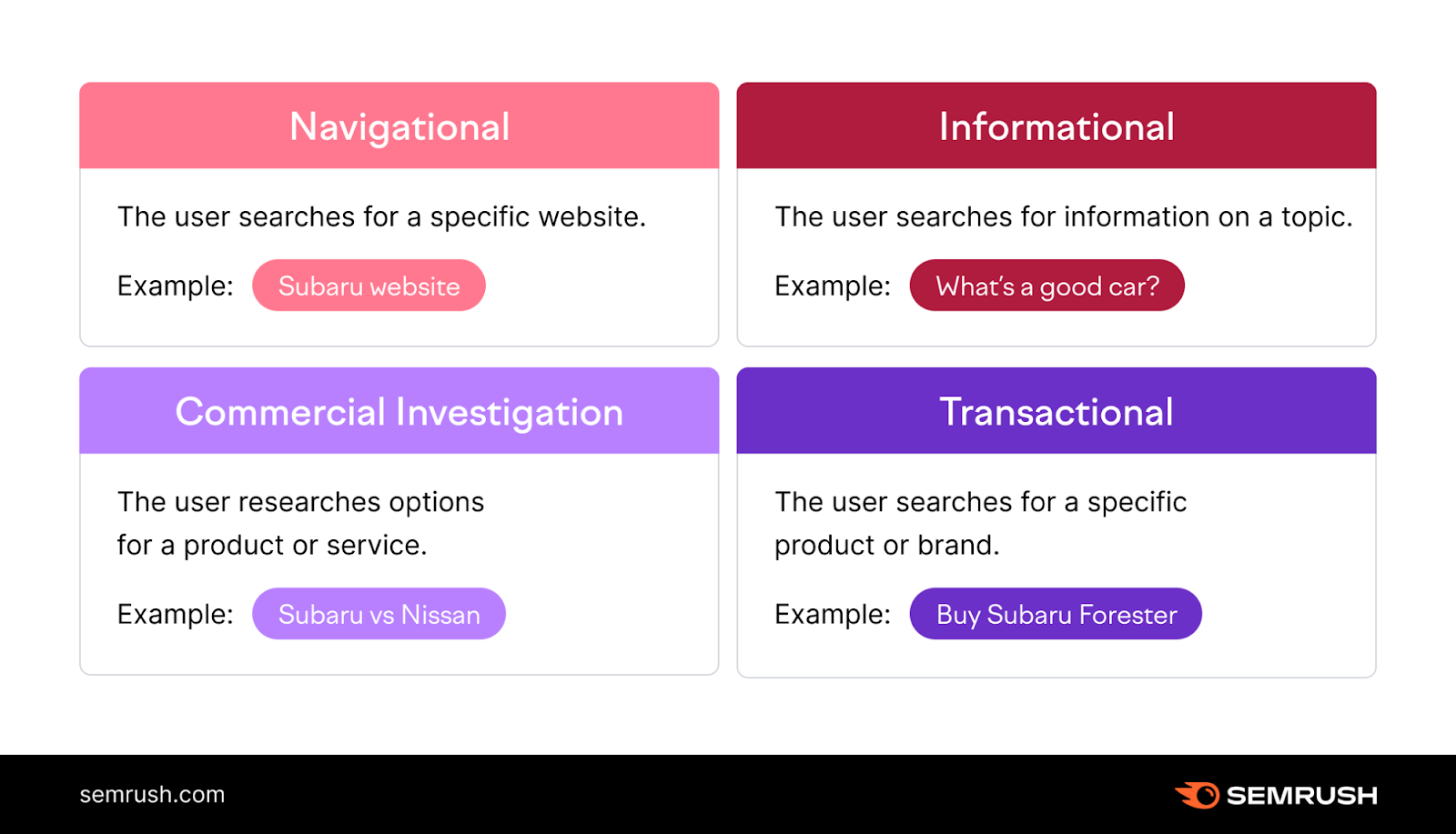
There are four pillars if you choose to categorize keywords according to search intent. Other considerations for SEO categories are long-tail and local keywords. Understanding the intent behind these can be incredibly valuable for your analysis.
Moz Keyword Explorer
Moz has plenty of tools that are excellent for keyword research. It doesn’t have as many data points as other SEO tools, but that’s a good thing. It makes the whole experience much less overwhelming, especially for non-professional folks. And the best part? It doesn’t skimp on the metrics that matter; you get all the elemental info without the information overload.
SEMRush
Suppose you’re in the market for something a bit more advanced. Then, try out SEMRush. It’s a treasure trove of keyword data that lets you get into the nitty-gritty. We’re talking SERP features like featured snippets, reviews, site links, image packs, etc. Plus, it gives you a detailed analysis of current results.
Site Structure: Laying the Groundwork
Picture your ecommerce site as a three-story building. The homepage is on the ground floor. Categories are on the first floor, subcategories are on the second, and product pages are on the third. Why only three floors? Well, search engine bots, like busy tourists, might not explore beyond that. They’ve got a limited budget of time and resources.
Fundamental pages tucked away on lower levels might not get noticed. And just like tourists, your users could get lost, bouncing away, or pogo-sticking between pages. That’s bad news for user experience and your conversion rate. So, keep it simple and user-friendly.
So, what sets them apart from regular websites? Three main aspects define their unique roles and purposes: their functionalities, security needs, and SEO priorities.
There are a handful of ecommerce best practices that can win over customers. These methods will put you in their good books and convince the undecided ones to buy.
- Declutter your website. An overload of information can confuse your customers.
- If you’re not a famous brand (yet), ensuring your site is trustworthy is a priority.
- We’re visual beings, so grab attention with attractive visuals.
- Simplify your site so users can browse through products with a user-friendly interface.
- Don’t complicate navigation, causing customers to get lost before shopping.
We’ll share valuable gems to highlight critical tactics in the upcoming sections.
On-Page Optimization Techniques
When it comes to on-page optimization, there’s a lot to consider. But let’s focus on two key players: product descriptions and meta tags. These seem like tiny puzzle pieces nowadays, but they’re paramount.
Optimized effectively, they can grow your organic search traffic and visibility, ramp up your click-through rates, and ultimately lead to more conversions. So, here’s how you make the most of them.
Crafting Perfect Product Descriptions
A well-crafted SEO product description aims to inform shoppers, persuade window shoppers to purchase, and improve your product’s search engine visibility. Although there isn’t a one-size-fits-all SEO expert, 300-400 per description should suffice. It also depends on the intricacy of a product and giving users enough information.
Don’t be vague with your product descriptions. The aim is to keep them engaging and as colorful as your product images.
Your product title should also incorporate your target keyword naturally so that search results spot it immediately. Focus your magnifying glass on product benefits instead of features. Buyers prefer to know how they’ll benefit before they decide what it can do for them.
Optimize your product descriptions with these tips:
- Create an emotional bond.
- Review consumer feedback.
- Please don’t make it too short or too long; maintain balance.
- Use suitable headers.
- Use suitable language and accurate words.
You’re telling a story to users, and you want it to resonate with them. Adding testimonials will enhance your product’s authenticity.
Title Tags and Meta Descriptions: Your First Impression
Meta Tags are on-page SEO, but they’re like a secret agent. You won’t see them on your blog or site, but they work behind the scenes. They’re tucked away in a website’s HTML code. Most site builders let you add and tweak metadata for SEO without messing with any code.
Best of all, you’ve already seen metatags in action. When you use Google or any search engine, the SEO title and meta description appear in a search result.
This metadata package has two main parts:
- Title Tags (also known as page titles)
- Meta Descriptions (also known as page descriptions)
SEO title tags introduce a webpage’s topic to both users and search engines. They help users decide if they want to click and help Google determine whether the topic matches what the user is looking for.
Now, the meta description tag is like your elevator pitch. It gives users a quick, relevant rundown of the page’s content. It’s your chance to convince users that this page is exactly what they’ve been searching for.
Technical SEO for Ecommerce
Don’t confuse technical SEO with on-page SEO. On-page SEO is about optimizing individual pages based on tags and content. But- technical SEO is a whole different ball game. It works in the background, impacting your entire ecommerce site.
Site Speed: Keep Your Customers Engaged
In the SEO world, speed is key. A fast-loading site has a better chance of ranking higher in search results. It can lead to increased organic traffic and visibility. On the other hand, a slow website can slip down in the rankings, making it harder for users to find. You can count on Core Web Vitals to save the day. This set of three metrics measures a webpage’s speed, interactivity, and visual stability.
- LCP (Largest Contentful Paint): Think of this as a stopwatch that measures how quickly the main content on your page loads. Aim for an LCP of less than 2.5 seconds to keep your users happy.
- INP (Interaction to Next Paint): This is all about how swiftly your website reacts to user interactions. For a swift, responsive experience, keep your INP at 200 milliseconds or less.
- CLS (Cumulative Layout Shift): Ever noticed how some pages jiggle around as they load? That’s what CLS measures. To ensure a smooth user experience, your CLS should be less than 0.1.
Speed optimization tools help you spot the speed bumps slowing your site down and make the necessary changes. The outcome: A smooth user experience and search engine rankings that’ll have you leading the pack.
Mobile Optimization: Reaching Shoppers on the Go
Several trends have appeared and disappeared, but mobile eCommerce endures. An astounding amount of web traffic stems from mobile phones.
Statista’s Market insights show that mobile ecommerce sales hit $2.2 trillion in 2023. Did you know mobile ecommerce makes up 60% of all ecommerce sales worldwide? It’s a huge chunk of the market. Ensuring a mobile-friendly ecommerce site allows ecommerce businesses to reach more customers and boost sales.
Optimizing your website for smartphones is no longer just an option – it’s necessary.
- Make sure to select a responsive design.
- Employ a strategy that prioritizes mobile devices.
- Remember to optimize your images.
- Try to use pop-ups as little as possible.
- Make sure your website loads quickly.
- Use menus and buttons that are easy to use with touch.
- Make important content a priority.
- Test your site on various devices.
In today’s fast-paced era, everyone is always glued to their smartphones, whether for work or some well-deserved downtime. You risk losing internet traffic if you do not have a mobile-friendly site.
Schema Markup: Enhancing Your Search Appearance
Structured data, or schema markup, is the lingo search engines use to read and comprehend web page content. This lingo refers to a fragment of code that aids search engines in categorizing and characterizing this content.
Envision this: You’re scrolling and scrolling, but you still haven’t hit the first organic search result. That’s when you realize the influence of eCommerce schema. Think about product search terms. If your site isn’t part of the merchant listing experience, it’s like playing hide and seek with your visibility.
But let’s look at organic results for a moment. Rich snippets raise click-through rates way more than non-rich marks. The bonus is that they can enrich conversion rates for those who land on your site. They arrive with a better understanding and have already qualified themselves before clicking.
Content Marketing Strategies
Content marketing is like an online library with written and visual treasures designed to draw attention to your site. But it isn’t about churning out weak content that barely scratches the surface.
No, it’s all about crafting valuable gems that your audience can stumble upon during their online experiences. The fact that 29% of industries employ content marketing is no surprise.
Blogging: More Than Just Words
Blogging isn’t only about words; it’s about driving traffic and engagement. Yet strategies and outcomes differ for ecommerce and business sites.
Ecommerce Websites
Blogging for an ecommerce business is an effective tool often overlooked in other digital marketing strategies. A well-kept blog can help online stores tell stories beyond product attributes and costs.
It serves as a line for storytelling, allowing brands to share their principles, merit, and competence. Each blog post becomes a new indexed page, growing your site’s visibility. Integrating relevant keywords attracts organic traffic and improves your website optimization SEO ranking.
Business Websites
Here, blogging is a marketing tactic that generates more online visibility for your company. It helps drive traffic to your site, and another upside is getting your industry discovered via social media. With every new article, you’re generating content that your audience can share on social platforms.
Business blogging is about crafting compelling content that attracts valuable inbound links and drives a steady traffic flow. It establishes authority, assists with link building, and drives long-term results. In both cases, blogging is an influential way of bringing more attention to your online business and sales. Here’s tips to help you create a blog that drives website traffic, and sales:
- Understand your audience.
- Brainstorm blogging topics.
- Create quality content consistently.
- Ensure visually appealing content.
- Optimize your blog posts for SEO.
- Promote your content.
- Analyze and track performance.
Building a successful ecommerce blog requires a strategic approach and knowing your target audience.
User-Generated Content: Leveraging Customer Voices
Brands looking to expand engagement on social media should consider user-generated content. By embracing thriving campaigns that harness the power of authentic user contributions, brands can learn savvy strategies. This will amp up their social presence and forge stronger bonds with their audience.
Campaigns that hit the nail on the head with UGC are living proof of the strategy’s capability. Take GoPro, for instance. They encourage fans to share videos shot with their cameras. It sparked a buzz among enthusiasts while flaunting the product’s quality and versatility.
Then there’s Starbucks’ clever “White Cup Contest.” They invited people to jazz up their cups and post the pictures online. The winning design even got its own limited-edition Starbucks cup. These campaigns didn’t just stir up content – they also nurtured a sense of community. These trademarks widened their horizons by heightening consumer voices and fostering trust and authenticity.
A well-coordinated plan asks your customers for UGC. You can use the content as a stepping stone to increase your revenue. Let’s lead you through the steps to craft a winning UGC strategy.
- Pinpoint Your Needs.
- The Ideal Social Media Platform.
- Make Your Intent Clear.
- Use Hashtags.
- Nurture Community Building.
- Handle Content at Scale.
- Track Performance.
Remember, a flourishing UGC approach involves planning, communication, and engagement.
Off-Page SEO Tactics
Off-page SEO is the architect of your site’s reputation. Its elements, like reviews, backlinks, and suggestions, give search engines a nudge, making them see your site as trustworthy.
Want to know an enigma to win over other search engines with? Focus on E-E-A-T. Google’s Quality Raters swear by this concept when sizing up search results and giving feedback to fine-tune future algorithm updates.
Link Building: Creating Connections
Think of backlinks as the lifeblood of SEO because Google sees some backlinks as a thumbs-up. So, the more backlinks a page or site has, the more it’s seen as the real deal. And if those backlinks are from authoritative sources, that’s the aurora borealis. It’s like breadcrumbs for Google to find (and hence rank) your content. Web crawlers use these links as their roadmap to discover fresh pages on the web.

You’ve got to pursue the magic formula for backlinks. If you follow it to the letter, you’ll soar your website’s rankings and authority.
- Develop assets that can be linked.
- Try to get your content showcased on resource pages.
- Locate links that aren’t working.
- Improve existing content that’s well-liked.
- The HARO (help a reporter out) website offers excellent chances to acquire backlinks from the media.
- Remember to examine the links of your competitors.
- Deliver positive testimonials.
- Make sure to get in touch with your suppliers.
- Contact business organizations.
- Seek out appropriate list articles.
You’ve probably noticed by now, but many link building strategies involve asking site owners for backlinks. It’s no walk in the park. But you can always turn to Captain Words to steer your eCommerce voyage.
Social Media Integration: Expanding Your Reach
Social networking is like an online market for showcasing your products. It’s like a tour guide, helping shoppers get the lay of the land in your store and the products you’ve got up for grabs.
The more your goods are shared, the more search engines notice. It’s spotlighting your ecommerce brands in-commerce SEO services, making them stand out when people search. Let’s examine tips for merging social media with your SEO efforts.
- Allow your website to have social buttons for users to click on.
- Enhance your social engagement by integrating a keyword strategy.
- Add links to your social profiles, but avoid no-follow links.
- Presentation and video content are great spots to incorporate links.
- Social media profile pages should be an extension of your site.
- Enhance the profiles of your content creators.
- Grow your favorable mentions to build a solid social presence.
- Working together with influencers is valuable.
Whether or not you’ve been using social media as part of your SEO process, we hope you’ve got a better idea of how to connect the dots between the two.
CRO: Turning Visitors into Customers
Visualize your busy online store and visitors pouring in. Regrettably, not all of them are converting into customers. It’s where Conversion Rate Optimization (CRO) comes into play. It converts your browsing visitors into purchasers.
The SEO navigates your customers through the sales funnel to your CTA. The key is guaranteeing that your customers can locate you when they search the internet. Once they visit your website, the goal is to promptly guide them to the ‘Add to Cart’ button. How can you increase your conversion rates on your own ecommerce store or website? Here are some clever strategies to help you with that:
- Make your site easy to navigate. Effortless, intuitive, and fast.
- Don’t just describe your product; sell an experience.
- Let your satisfied buyers do the talking.
- Try different versions of your site to see what works best.
CRO isn’t solely about getting more visitors. It’s about turning those visitors into customers. Your ecommerce site can become a bursting marketplace with the right mix of SEO and CRO.
Why Choose Captain Words for Your Ecommerce Content Needs?
Choosing Captain Words for your ecommerce content writing service is like finding the perfect crew. Our team of SEO specialists is ready to guide you through the content creation expedition. Creating ecommerce content can be daunting. But our dedicated team’s got your back. Here at Captain Words, we craft content that resonates with your shoppers.
So, whether you’re looking to promote your business growth and product visibility, increase reach, or navigate the complexities of SEO content, Captain Words is your reliable partner, ready to chart your course toward ecommerce content excellence.
Conclusion
Driving sales online is all about mastering the art of ecommerce SEO. From understanding your audience to optimizing your content and leveraging user-generated content, each strategy is integral to growing your visibility and engagement. And let’s not forget the power of backlinks in building your site’s reputation and improving its rankings.
Ecommerce SEO isn’t just a nice-to-have; it’s a must-have in today’s digital marketplace. It guides your customers to your virtual doorstep and is the key to unlocking your online revenue potential. There’s no need to navigate this domain alone. Partner with Captain Words and set sail towards increased sales and online success. With our expertise in ecommerce content marketing management and SEO, we’re the perfect team to help you conquer the high waters of ecommerce.


